When Do You Need a Witness for a Notarization?
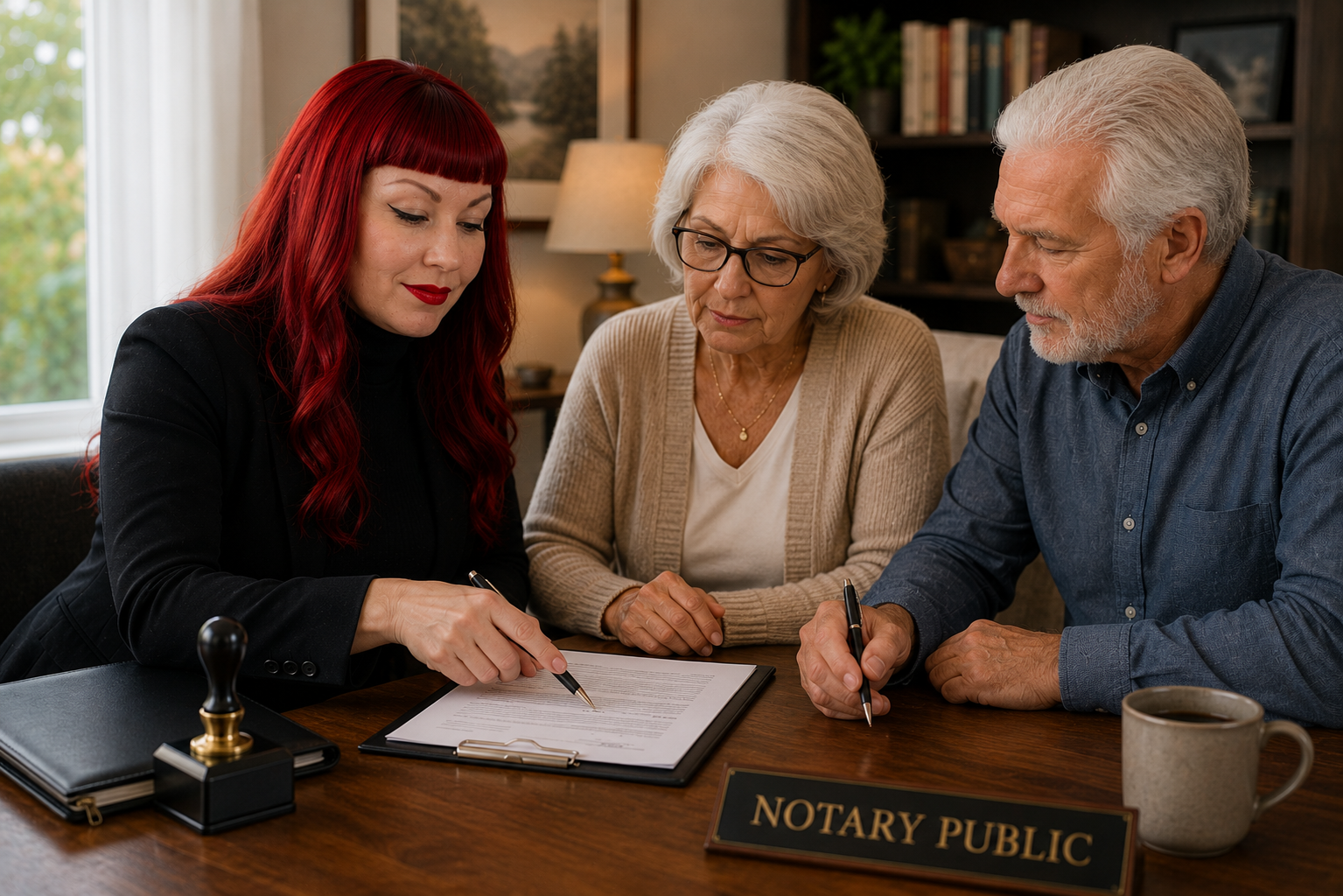
One of the most common sources of confusion at a notary appointment is the difference between a notary and a witness. Sometimes you need a notary. Sometimes you need witnesses. Sometimes you need both. They're not automatically interchangeable, and finding out that your document requires witnesses after the notary arrives can delay the signing.
Here's what to know before your appointment.
What Does a Notary Public Do?
A California Notary Public performs specific notarial acts authorized by state law. Depending on the notarial act, this can include verifying the identity of the signer, administering an oath or affirmation, witnessing a signature when required for the notarial act, and completing the appropriate notarial certificate.
The notary's role is defined by law. A notary does not automatically serve as a document witness simply because they are present.
What Does a Document Witness Do?
A document witness generally observes the signing of a document and signs the document as a witness. The exact requirements depend on the document.
There may be restrictions concerning who can serve as a witness, how many witnesses are necessary, whether the witness can have an interest in the transaction, and whether everyone must be physically present together. Those are document-specific requirements rather than rules a notary can determine for you.
Which Documents May Require Witnesses?
Witness requirements can arise with estate planning documents, healthcare documents, powers of attorney, and other legal paperwork. However, you should never assume a document needs a witness based solely on its title.
Two documents that appear similar may have different execution instructions. Before your appointment, review the document and any instructions provided by the attorney, agency, healthcare provider, financial institution, or other organization that issued it. If you're uncertain about the legal requirements, contact the person or organization responsible for the document.
A notary cannot provide legal advice about whether a particular document should have witnesses.
Can the Notary Be a Witness Too?
This is a question that should be addressed before the appointment. Whether a notary can separately act as a document witness depends on the circumstances, the document involved, and any applicable requirements. Don't assume the mobile notary will automatically fill an empty witness line.
When you schedule your appointment, tell the notary if the document includes witness signature lines or if you've been instructed to have witnesses present. That gives everyone a chance to identify logistical issues before the appointment begins.
Who Provides the Witnesses?
This is another detail worth confirming ahead of time. If your document requires one or more witnesses, ask whether you are responsible for arranging them. If you're signing at home, finding an appropriate witness may be fairly straightforward.
Appointments in hospitals, care facilities, or other restricted locations can be more complicated. Staff members may be unable or unwilling to serve as witnesses, and facility policies can affect who may participate. Don't count on finding someone in the hallway five minutes before the signing.
Arrange witness requirements ahead of time whenever possible.
What About Credible Witnesses?
California notary law also uses the term credible witness, but that is different from a document witness. A credible witness may be used in certain circumstances as part of establishing a signer's identity for a notarization when statutory requirements are met. That person's role is related to identification for the notarial act.
A document witness, by contrast, signs because the underlying document requires or requests a witness. The similar terminology can make this confusing, so tell your notary what you're trying to accomplish rather than assuming the two roles are the same.
How to Prepare for Your Appointment
Before your mobile notary arrives, review the complete document package. Look for notarial certificates, witness signature lines, signing instructions, and any directions provided by the document's issuing or preparing party. Also make sure you have acceptable identification available.
If witnesses are required, confirm how many are needed, whether there are eligibility restrictions, and who will provide them. And unless you've been instructed otherwise, avoid signing portions that must be completed in the notary's presence before the appointment.
Mobile Notary Services in Humboldt County
Under Redwoods provides mobile notary services throughout Humboldt County, including Arcata, Eureka, McKinleyville, Trinidad, Blue Lake, Fortuna, Ferndale, and surrounding communities. We can meet at homes, offices, hospitals, care facilities, and other agreed locations, making notarization easier when getting everyone to an office isn't practical.
If your document involves witnesses, let us know when requesting your appointment so we can discuss the logistics within the scope of notarial services.
Under Redwoods provides notarial and document support services. We are not attorneys and cannot determine the legal requirements of your document or provide legal advice.